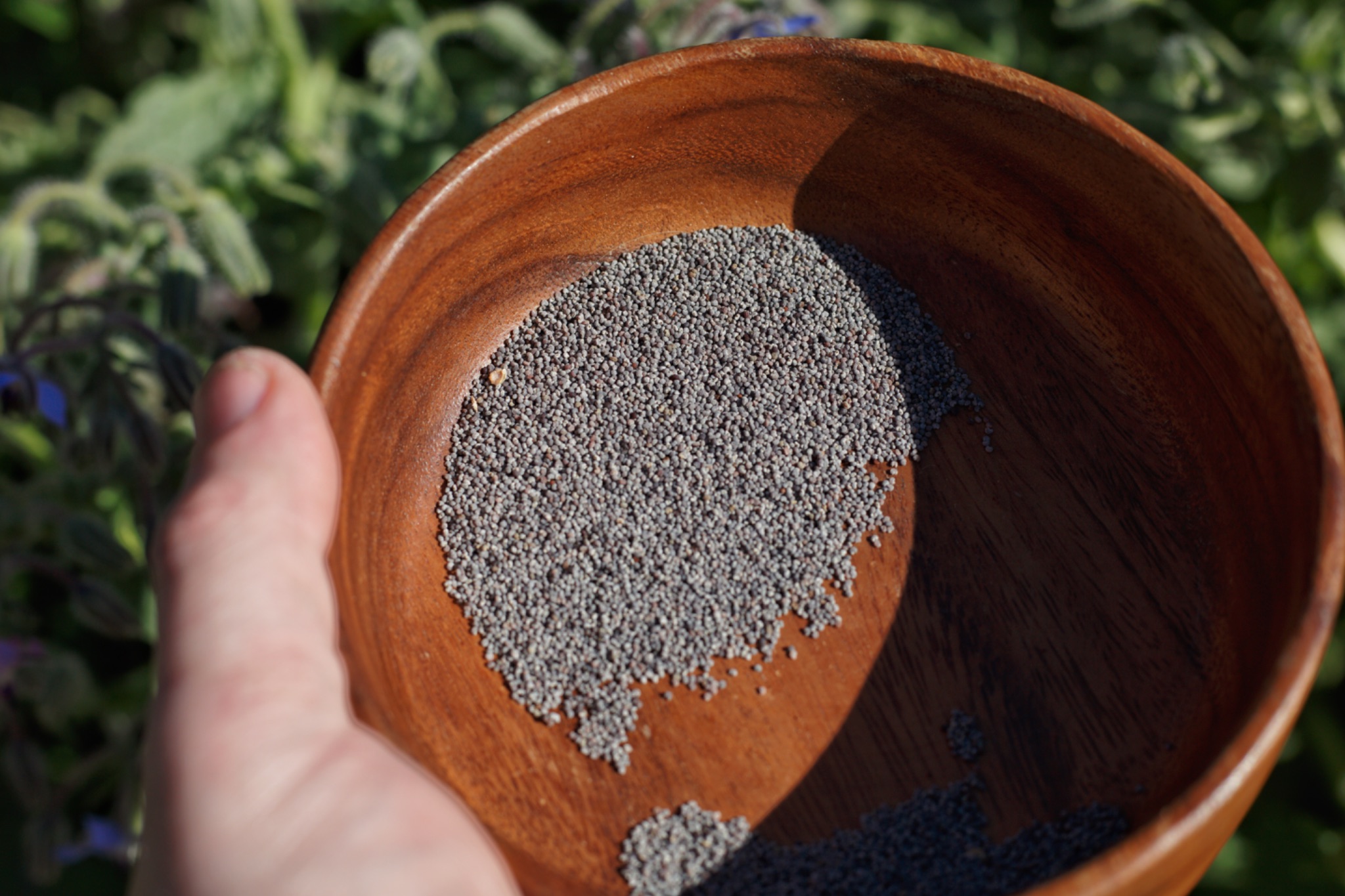
Seeds are not immortal. Most gardeners know this in a general way but underestimate how much storage conditions matter relative to the variety. A tomato seed stored correctly can remain viable for six years. The same seed stored incorrectly might fail to germinate after eighteen months. (McKenzie et al., 2021) The difference isn't magic. It's moisture and temperature.
The short answer on storage: cool, dry, and dark. Those three conditions, applied consistently, determine almost everything about how long your seeds last.
Viability by Crop Type
Some seeds are inherently short-lived, regardless of storage conditions. Onions, parsnips, and parsley typically run two years under good conditions, sometimes less. Leeks are similarly short-lived. If you're growing these from seed, fresh stock annually is the conservative approach.
Medium-lived seeds, in the three-to-four-year range under decent storage, include carrots, peppers, brassicas like broccoli and cabbage, and most brassica relatives. These can stretch further with excellent storage conditions.
Long-lived seeds are the ones that reward careful seed saving most. Tomatoes, squash, cucumbers, beans, and most legumes remain viable for five years or more when properly dried and stored. (Seed Viability & Storage Guide | Johnny's Selected Seeds, n.d.) Some squash seed has tested viable after a decade, though I'd take decade-long viability claims with some skepticism since storage conditions vary enormously across the studies that report it... and ten years is long enough that most gardeners won't be testing it anyway. (Solberg et al., 2020) Properly stored seed reliably clearing five years is the claim worth planning around.
Bear with me here: those viability figures assume adequate drying before storage, which is the step that derails most home seed savers. Seeds that feel dry to the touch may still contain residual moisture. True dryness, the kind that supports long storage, means seeds that snap cleanly when bent rather than flexing. Spread cleaned seeds on a ceramic plate or coffee filter for at least a week before sealing them away, two weeks in humid climates.
The Moisture Problem
Moisture is the primary enemy. Even small amounts of residual moisture accelerate cellular respiration in a stored seed, depleting the energy reserves the embryo needs for germination. Over months and years, that depletion adds up to seeds that technically germinate but produce weak seedlings, or that fail to germinate at all.
Desiccant packets in sealed storage containers are inexpensive insurance. Small silica gel packets, the kind that come in shoe boxes or vitamin bottles, can be reactivated in a low oven and reused indefinitely. Include one in any container holding seeds you care about.
Paper envelopes inside airtight containers are a better storage system than plastic bags alone. Paper wicks residual moisture away from the seed surface; plastic traps it.
Temperature and Light
Stable temperature matters more than cold temperature, though cooler is generally better. A refrigerator works well for long-term seed storage if humidity is controlled. Freezing is possible for seeds that are truly, completely dry, though the thaw cycle introduces risk if condensation forms on the seed surface.
What damages seeds most, short of obvious moisture and heat, is temperature fluctuation. A storage location that swings from 40 degrees at night to 80 degrees during the day degrades seed viability measurably faster than a consistently warm location that stays at 65 degrees year-round. Attics and garden sheds are among the worst possible storage locations for this reason, even though they are where most gardeners instinctively keep their seed collection.
Testing Germination on Older Seed
Before committing an entire bed to seed you're uncertain about, run a germination test. Place ten seeds on a damp paper towel, fold it over, and keep it warm for the number of days the variety's expected germination window covers. Count what sprouts. A 7 out of 10 pass rate is reasonable for most crops. Below five and you should either sow thickly to compensate or source fresh seed.
The labor of this test is about fifteen minutes spread over a week. The labor of replanting a full bed because germination failed is considerably more.
What This Means for Open-Pollinated Varieties
Variety-stable seed, properly dried and stored, carries forward indefinitely. The seed you save from this season's harvest, handled correctly, can still germinate reliably five years from now. That's the economics of seed saving done properly.
The economics of seed saving only pay off if the seed actually survives storage. Getting the conditions right is the unsexy part of the practice, but it's the part everything else depends on.
About the Author
Brigham and Alicia Stoehr are co-founders of Good Land Seed Company, an heirloom and open-pollinated seed company in Southwest Idaho. Brigham writes and grows from the ecology side, focused on soil health, native plants, and seed saving. Alicia is an oncology RN who has spent years growing food and flowers for everyone she knows, bringing the same precise care to the garden that she brings to her patients. Every variety in their catalog is variety-stable, meaning the seed you buy can be saved, replanted, and passed on indefinitely. Explore their seed catalog and free resources on seed saving and soil biology at goodlandseed.com.
Citations
High Mowing Organic Seeds. "Seed Viability Chart." https://www.highmowingseeds.com/blog/seed-viability-chart/
McKenzie, L., Zystro, J. & Egel, D. (2021). Tomato Seed Production Guide. Tomato Seed Production Guide. https://seedalliance.org/publications/tomato-seed-production-guide/
(n.d.). Seed Viability & Storage Guide | Johnny's Selected Seeds. Seed viability and storage guidelines section. https://www.johnnyseeds.com/growers-library/reference-documents/seed-storage-guidelines.html
Solberg, S. Ø., Yndgaard, F., Andreasen, C., Bothmer, R. v., Loskutov, I. G. & Asdal, Å. (2020). Long-Term Storage and Longevity of Orthodox Seeds: A Systematic Review. Frontiers in Plant Science 11. https://doi.org/10.3389/fpls.2020.01007