The terms get used interchangeably by some gardeners, treated as synonyms for "good" versus "bad," or dismissed as marketing language by others who've decided the whole conversation is overcomplicated. None of those positions is quite right. The actual distinction between open-pollinated and hybrid seeds is biological, and it has practical consequences that are worth understanding before you build a seed order.
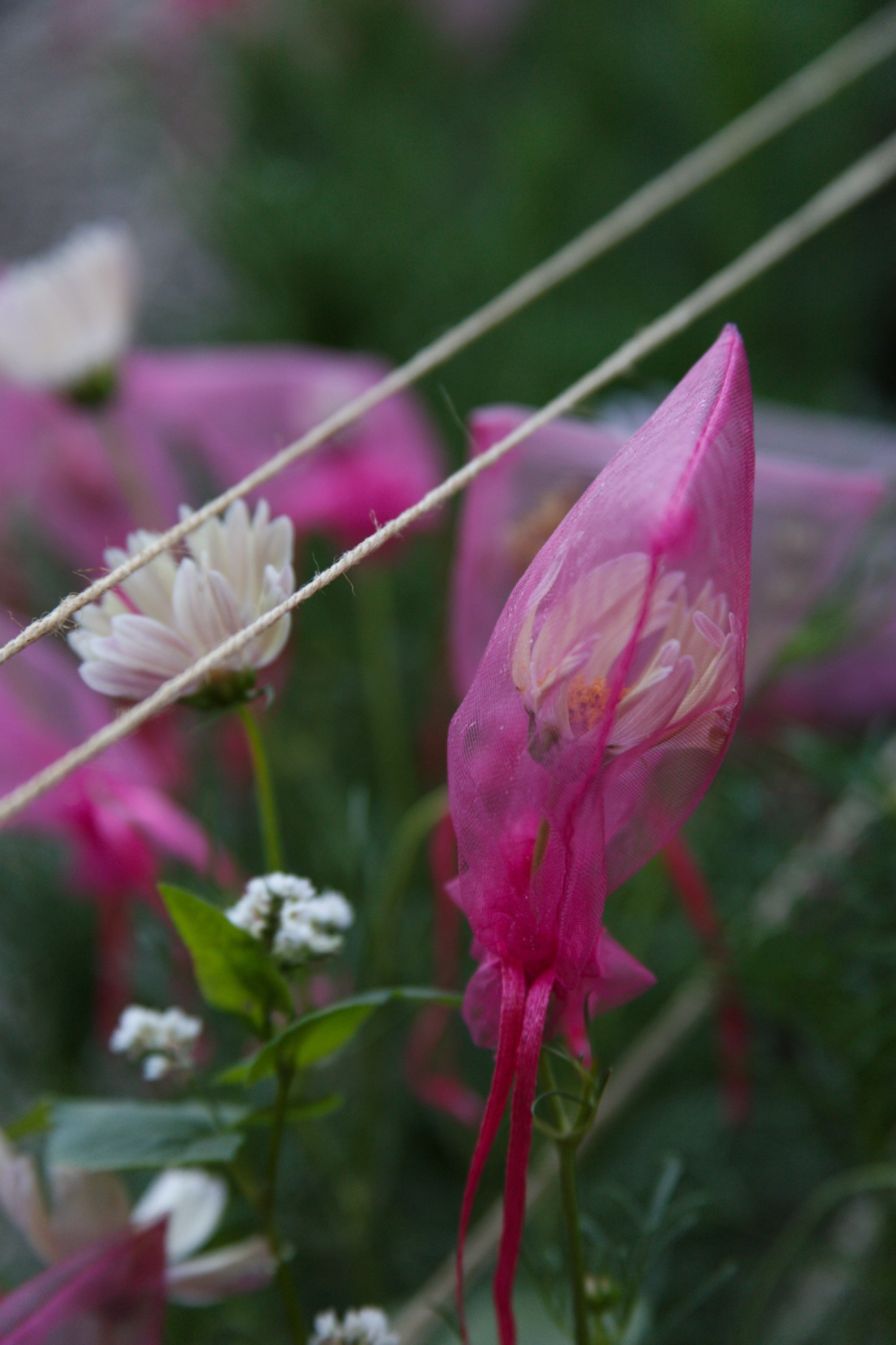
Open-pollinated varieties reproduce themselves reliably from saved seed. Plant an open-pollinated tomato, let it flower and fruit, save the seed from your best specimen, and the seed you plant next season will produce a plant that closely resembles its parent. The genetics are stable from generation to generation.
Hybrid seeds are produced by crossing two carefully maintained parent lines to produce offspring with specific traits, usually improved uniformity, disease resistance, or yield. The resulting plants perform well. The seed they produce does not. Save seed from a hybrid tomato, and you'll get plants that express the parent genetics in unpredictable combinations, often performing far worse than the hybrid itself. The desirable traits don't reliably carry.
What This Means For the Home Gardener
If you never intend to save seed, hybrid varieties are a completely reasonable choice. Many are excellent. The disease resistance bred into modern hybrid tomatoes is real and valuable, notably in areas with persistent soil pathogens. Choosing all open-pollinated varieties out of philosophical commitment, while ignoring that a given hybrid might outperform an available heirloom in your specific conditions, is overcorrecting.
If you do intend to save seed, open-pollinated is the only path. You cannot build a locally adapted seed stock from hybrids. The genetic loop stays permanently open.
This is a tangent, but it's consequential: seed saving isn't just about thrift. Over multiple generations of growing and saving in the same garden, an open-pollinated population drifts toward whatever performs best in your specific conditions. The Cherokee Purple you've grown and selected from for five seasons is not the same genetic population as fresh Cherokee Purple from a catalog... or at least it's not identical. Your saved seed has been filtered through your soil, your microclimate, your disease pressure, and your unconscious selection of which plants looked best and produced the most. That filtering has value that's genuinely irreplaceable.
Heirloom Varieties Are a Subset
Heirloom varieties are open-pollinated by definition, but not all open-pollinated varieties are heirlooms. The heirloom designation typically implies that a variety has been cultivated and passed down for multiple generations, usually with some baseline of fifty years cited in seed community discussions, though the number isn't strictly enforced.
What makes heirloom varieties worth growing, beyond their cultural history, is the depth of the selection record behind them. A tomato that people grew and saved for a century was kept alive because someone consistently found it worth keeping. That's a kind of endorsement that a new hybrid, however well-engineered, simply hasn't accumulated yet.
The GMO Question Is Separate
Open-pollinated, non-GMO, and organic are three different attributes that can appear in any combination. Non-GMO means the variety hasn't been produced through genetic engineering, which includes both heirlooms and most commercial hybrids sold to home gardeners, since GMO varieties are chiefly confined to commodity crops grown at an industrial scale. Open-pollinated means it breeds true. Neither term guarantees the other, and neither is the same as organic, which is a production certification rather than a genetic attribute.
The most consequential claim any seed company can make is not non-GMO status but variety stability: that the genetics are stable, the seed is never treated, and every variety can be saved and replanted indefinitely. That distinction plays out differently for every gardener, depending on where they're starting, but the practical difference between open-pollinated and hybrid genetics is far more consequential than the packaging typically suggests.
Soil Biology and Variety Choice
Heirloom and open-pollinated varieties tend to perform better in biologically active soil than in the synthetic-fertility environments that modern hybrids were frequently optimized for. Liquid fertilizers derived from organic processing by-products through a natural digestion process, which deliver available nutrients alongside biological material that supports the larger soil community, are a particularly good match for gardens focused on open-pollinated varieties.
The varieties and the soil inputs are working from the same underlying premise: a living system sustains itself better than a dependent one.
About the Author
Brigham and Alicia Stoehr are co-founders of Good Land Seed Company, an heirloom and open-pollinated seed company in Southwest Idaho. Brigham writes and grows from the ecology side, focused on soil health, native plants, and seed saving. Alicia is an oncology RN who has spent years growing food and flowers for everyone she knows, bringing the same precise care to the garden that she brings to her patients. Every variety in their catalog is variety-stable, meaning the seed you buy can be saved, replanted, and passed on indefinitely. Explore their seed catalog and free resources on seed saving and soil biology at goodlandseed.com.